
Alcohol can provide temporary relief from these distressing experiences, leading to a pattern of reliance on substance use as a coping mechanism. By recognizing the shared risk factors and causes, treatment providers can adopt comprehensive approaches that address both PTSD and alcoholism concurrently. Integrated treatment programs that target the underlying trauma while providing support for alcoholism recovery have shown promising outcomes. PTSD and alcoholism frequently co-occur, and there is a complex relationship between the two disorders. Many individuals with PTSD turn to alcohol as a means of self-medication to cope with the distressing symptoms they experience. Alcohol can temporarily alleviate anxiety, numb emotional pain, and provide a sense of relief.
Veterans encounter a wide range of challenges when reintegrating into civilian life, ranging from mental health struggles to financial difficulties. One of the most pressing issues is the growing epidemic of substance abuse among veterans. They found that effect sizes were small and dropout rates were high regardless of the intervention delivered. In some studies, participants received trauma-focused therapy concurrently with SUD psychotherapy (e.g., 13) while in other studies, trauma-focused PTSD treatment and SUD psychotherapy were integrated into a single intervention. For example, Concurrent Treatment of PTSD and Substance Use Disorders Using Prolonged Exposure (COPE) integrates Prolonged Exposure therapy for PTSD with relapse prevention for SUD.
The relationship between trauma and addiction highlights the necessity for integrated treatment approaches that address both disorders simultaneously, thereby improving long-term outcomes for affected individuals. The unique lifestyle elements and challenges of military service make both active-duty and veteran service members a distinct culture unto themselves. This cultural influence plays a significant role in health care trends, with major implications specific to mental health and substance abuse. As a result, it is critical to consider the impact of military experience on alcohol and drug use, and substance abuse, as well as its impact on best practices for prevention and treatment of substance use disorders.
Neurobiological Pathways Connecting PTSD and SUDs
These differences underscore the need for gender-specific research and treatment modalities. Substance Use Disorders can be categorized into mild, moderate, and severe, depending on the number of diagnostic criteria met. This categorization is essential for tailoring treatment plans to individual needs. The National Institute on Drug Abuse reports that the annual economic impact of SUDs in the United States exceeds $740 billion due to costs related to crime, lost work productivity, and healthcare. At the beginning of the pandemic, we also examined patient outcomes as we transitioned to virtual care.
How Alcohol Affects the Brain and Body in PTSD?
Integrated treatment effectively addresses these intertwined issues, promoting better emotional regulation and reducing reliance on substances for coping. Furthermore, it involves coordinating care that simultaneously manages withdrawal symptoms and PTSD-related arousal, often requiring more rigorous support, like inpatient care. Individuals with CPTSD may use substances like alcohol or drugs to cope with their emotional distress and psychological symptoms resulting from prolonged trauma exposure. Being there for someone struggling https://merahputih4d.site/200-inspirational-quotes-for-staying-sober-on-your/ with PTSD alcohol abuse can be emotionally challenging.
Receiving Treatment as Planned
On the other hand, excessive alcohol consumption can worsen PTSD symptoms, making it alcoholism symptoms difficult to effectively manage the disorder. By simultaneously treating both disorders, individuals can achieve a more comprehensive and lasting recovery. Veterans, in particular, face challenges, with studies indicating that PTSD can result in poorer job performance and mental health outcomes.

Our relapse rates are exceptionally low, , with a record breaking 92% of our active alumni sober after a year! Studies suggest that some people with substance use disorders do achieve remission without formal treatment. However, the exact percentage varies considerably depending on the substance, the population studied, and how “remission” is defined. Some research indicates that around 18-26% of individuals with substance use disorders may achieve spontaneous remission in any given year without formal intervention. Studies indicate that roughly 40-60% of individuals who complete alcohol rehab experience a significant reduction in their drinking. This could mean achieving complete abstinence or significantly reducing the frequency and intensity of drinking episodes.
Treating both PTSD and SUD
- Longer programs, lasting 90 days or more, are generally more effective than short-term interventions.
- COPE (Concurrent Treatment of PTSD and Substance Use Disorders Using Prolonged Exposure) is a therapy that blends trauma-focused PTSD treatment with substance use treatment.
- It’s important to note that not everyone who experiences a traumatic event will develop PTSD.
This heightened risk underscores the critical importance of addressing both conditions simultaneously and providing comprehensive support to affected individuals. The cycle between PTSD and alcoholism is reinforced by negative coping mechanisms. Individuals may rely on alcohol to numb emotional pain or to escape from traumatic memories. However, this coping mechanism is ineffective in the long term and can lead to a range of negative consequences, including impaired relationships, financial difficulties, and health problems. It’s important to note that these prevalence rates can vary, and more research is needed to establish precise figures. Nonetheless, the co-occurrence of PTSD and alcoholism ptsd and alcohol abuse is evident, highlighting the need for integrated treatment approaches that address both disorders simultaneously.
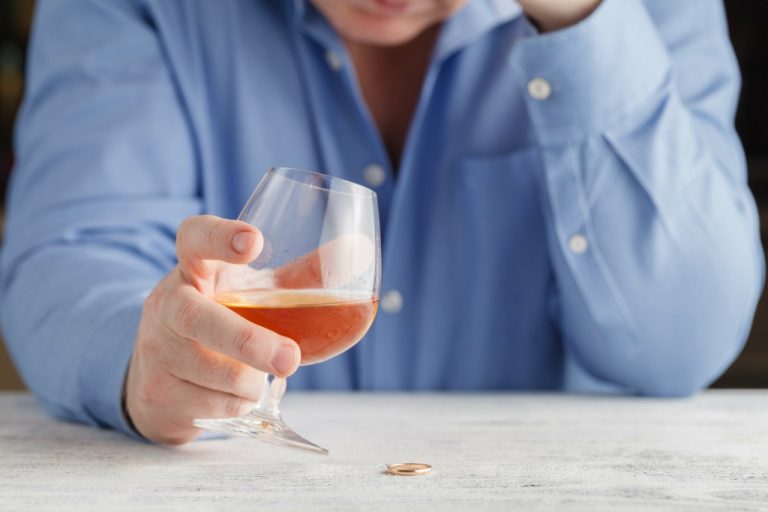
What works best for veterans are tailored solutions that address both the psychological and physical tolls of military service. It will help you process trauma, stop drinking, and learn new, healthier coping mechanisms going forward. PTSD is a disruptive condition, making it challenging or impossible to live normally. Therapy, especially trauma-focused therapy, medications, support, and coping mechanisms can help you regain control over your life. Given the high rates of dropout reported across studies and treatment types, research is needed to enhance retention among individuals with AUD/PTSD.
- Expanding telehealth and mobile treatment units are strategies being deployed to close these gaps.
- Common traumatic events include assault, combat, natural disasters, childhood abuse, accidents, and witnessing death.
- For veterans, recovery often means reconnecting with their sense of mission and community, rediscovering their purpose, and achieving stability.
- Addiction also demands a shift in public attitude – seeing substance use disorders less as moral failings and more as treatable health conditions.
- But if you or someone you know has PTSD, an alcohol usage disorder or both, it’s important to get support.
- However, the reliance on substances frequently exacerbates PTSD symptoms over time, leading to a vicious cycle where the short-term relief leads to long-term dependence and increased severity of both conditions.
At Agape Treatment, we understand the complex relationship between PTSD and alcohol use. Our compassionate team specializes in treating co-occurring disorders through personalized, evidence-based care. We provide integrated treatment programs that address both trauma and addiction, helping our clients build the skills and resilience needed for lasting recovery. In fact, research shows that people with PTSD are significantly more likely to develop substance use disorders (SUDs), including alcohol use disorder (AUD). Studies estimate that about 30-60% of individuals with PTSD also struggle with substance abuse. This dual diagnosis, known as co-occurring disorders, presents unique challenges because each condition can worsen the other.
Research has shown that individuals with PTSD tend to use alcohol and experience alcohol use disorder (AUD) to a greater degree than those without PTSD. This relationship between PTSD and AUD has been observed over several decades and across different definitions of the disorders. Alcohol abuse, on the other hand, is characterised by excessive and problematic drinking that negatively impacts an individual’s health, social life, and overall functioning. It is common for people with PTSD to turn to alcohol as a form of self-medication to cope with their symptoms. Alcohol can provide temporary relief from intrusive thoughts and numb negative emotions.
What is Alcoholism?
No, seeking treatment for PTSD and addiction will not affect your military benefits or VA eligibility. In fact, successful treatment may help you access additional benefits if your conditions are service-connected. Military personnel should be aware that seeking treatment could affect security clearances, but this must be balanced against the serious consequences of untreated PTSD and addiction. Many military branches now encourage help-seeking and have reduced stigma around mental health treatment.